Red Bull Content Pool
Ford’s Formula 1 return builds momentum and results
Ford entered into uncharted territory when it announced it was returning to Formula 1 in 2026. Not just because the regulations were going to be brand-new, but also because its power unit partner in Red Bull Ford Powertrains was also a startup.
This wasn’t Ford doing it all on its own, but it wasn’t an alliance with an existing manufacturer, either. In Red Bull, it was a championship-caliber team taking the giant leap into developing its own power unit department, with Ford bringing its knowledge and expertise in such areas as battery technology, control systems and manufacturing alongside – a true collaboration building on each partner’s strengths.
Of course, Formula 1 is a huge undertaking and a formidable test. It’s an ultra-competitive, pressure-cooker environment where to stand still is to fall behind. But that’s exactly the challenge that Ford wants to take on as it showcases its technologies on a global stage to a whole new audience.
“For us, it started in 2022 when we saw how successful Formula 1 was,” Ford Racing’s global director Mark Rushbrook tells RACER. “The popularity of it, the diversity of the fans following it, what the 2026 regulations were with continued hybridization in it, and the commitment of the sport to be carbon neutral. That's what motivated us to start looking.
“We want to be in motorsports, and we want to be in motorsports for all the right reasons. One of those is winning races and championships that matter. Being able to do that in Formula 1 is incredibly important.
“The innovation and tech transfer – the opportunity here in this series, because of everything that we can learn – it's a massive opportunity to take that and put that into our road cars as well. And then the marketing story that we're able to tell here, too.
“So all of those lined up, and we were able to find Red Bull as the right partner. It’s a fantastic partner, with its total commitment to Formula 1, to winning. That's what we want to do.”
As much as Ford knew why it wanted to add to its immense legacy in Formula 1, there have still been areas that have surprised those working for the Blue Oval as the reality of working within such a demanding environment has become clear. The precision, quality control and rapid turnaround that is required for Ford to be able to manufacture parts has pushed it to enhance and improve its own capabilities and facilities, while it also encourages a different mindset within the company.
“In terms of the additive manufacturing, it helps us already in terms of the machines that we have, the parts that we're able to make off of those,” Rushbrook explains. “In terms of some of the power trains' specific areas, or what we're learning from the collaboration, that will take some time to get into our production cars.
“And the other way to think about it, too, is there's the specific things that you learn, but it's also the development of the engineers and how it trains them to think and how it trains them to work at such a rapid pace.
“So, the engineers that are working on this program today, it may not be the immediate knowledge that they apply to a vehicle, but it's how they've been trained to think and act that will impact the wider organization.”
Seven race weekends into the 2026 season, Ford has already hit a number of early milestones it was targeting as part of its Red Bull Ford Powertrains partnership that sees it providing power units for four drivers across two teams, Max Verstappen and Isack Hadjar at Red Bull Racing and (below) Racing Bulls duo Arvid Lindblad and Liam Lawson.
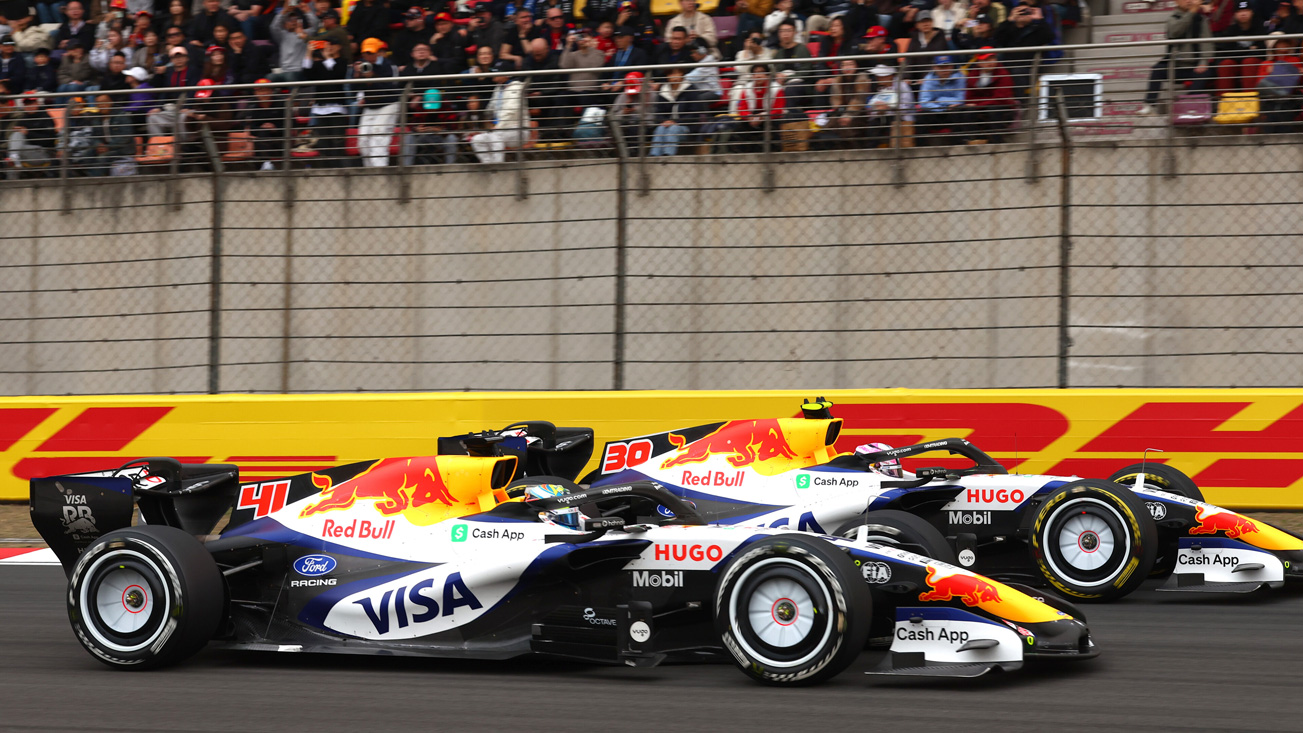
From the start, the Red Bull Ford DM01 power unit showed its potential in the first pre-season shakedown in Barcelona, and was then competitive for both teams in the season-opening Australian Grand Prix, with Hadjar qualifying in third place.
With a target of qualifying in the top half of the grid on a regular basis, that’s been delivered on not only by Hadjar’s attention-grabbing Melbourne performance, but by front row starts for his teammate and four-time Formula 1 world champion Verstappen in both Miami and Monaco.
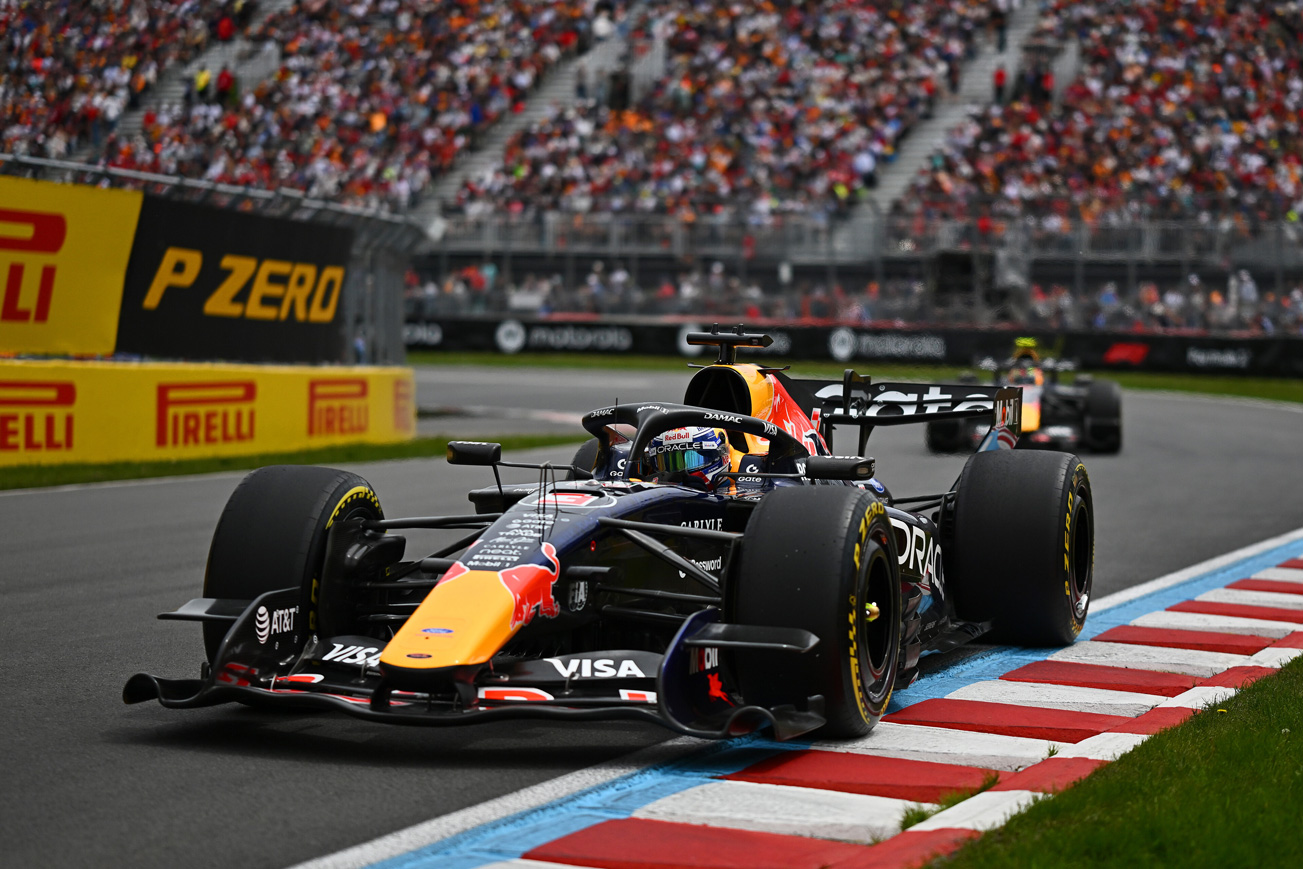
The fifth grand prix of the season, in Montreal, was a landmark moment as Verstappen fought his way to third place and the first podium for a Red Bull Ford power unit.
Max’s achievement was also the first podium for Ford in F1 since 2003, and as Rushbrook points out, it had a notable impact on the workforce back in Michigan.
“It's incredible, right? To see it posted on our homepage – employees come into work on Monday morning, they see the results for our racing – was special,” he says. “And as I went into World Headquarters in Dearborn, just to hear within our own Ford Racing office the comments and feel the goodwill from people, you know they're paying attention. They're immensely proud.
“I would say these [early results] reinforce the commitment, to a degree, because ultimately we want to be at the top. But we know we're on the right path. We know we've chosen the right partner. And we know we'll get there.”
It’s a path that Ford has been on for a number of years, but the level that it’s at and the potential it seeks to unleash can only be seen when race cars hit the track.
At the Monaco Grand Prix, F1’s ultimate test of inch-perfect precision and execution, three Red Bull Ford-powered cars finished in the top seven.
Next time out, at the Barcelona-Catalunya Grand Prix, all four cars earned points by finishing in the top 10, headed home by a fourth-place finish for Verstappen – proof-positive that the momentum is building across every aspect of why Ford has made its F1 return.
- For more on Ford’s Formula 1 journey, head to fordracing.com. And for the bigger picture on how Ford is taking lessons learned in the world’s fastest laboratories, from the 24 Hours of Le Mans to the Baja 1000, to help design the vehicles you drive, check out ford.com.
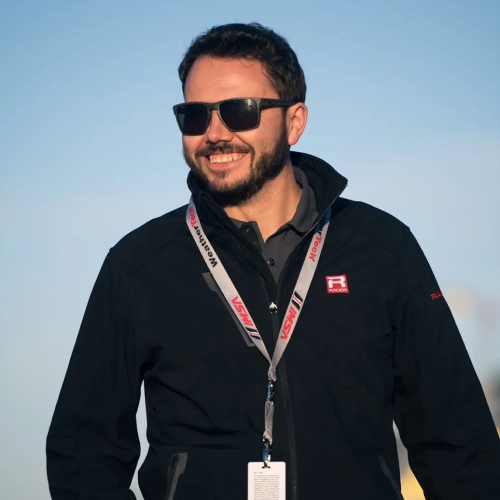
Chris Medland
While studying Sports Journalism at the University of Central Lancashire, Chris managed to talk his way into working at the British Grand Prix in 2008 and was retained for three years before joining ESPN F1 as Assistant Editor. After three further years at ESPN, a spell as F1 Editor at Crash Media Group was followed by the major task of launching F1i.com’s English-language website and running it as Editor. Present at every race since the start of 2014, he has continued building his freelance portfolio, working with international titles. As well as writing for RACER, his broadcast work includes television appearances on F1 TV and as a presenter and reporter on North America's live radio coverage on SiriusXM.
Read Chris Medland's articles
Latest News
Comments
Comments are disabled until you accept Social Networking Cookies. Update cookie preferences
If the dialog doesn't appear, ad-blockers are often the cause; try disabling yours or see our Social Features Support.